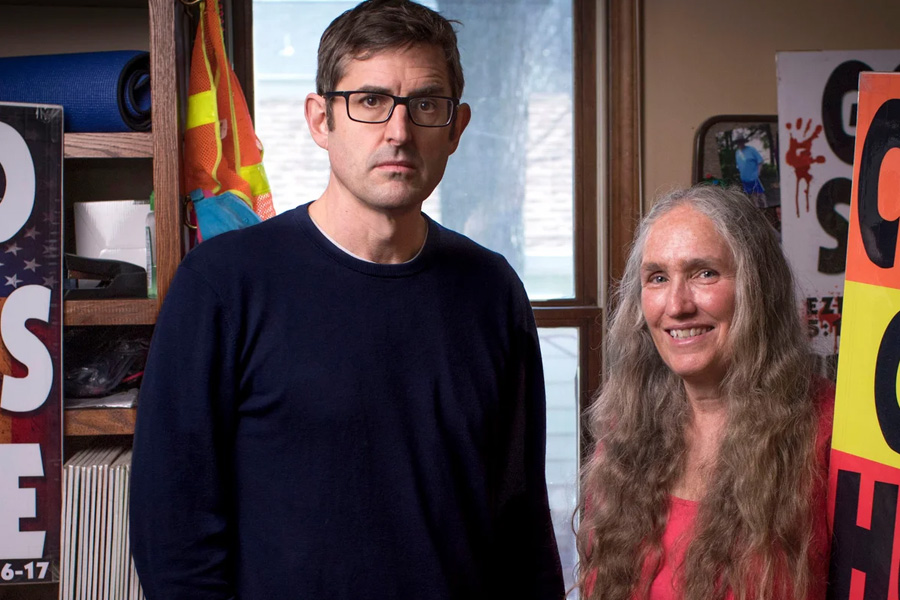
Shirley Phelps Roper’s Place in American Controversy
Shirley Phelps Roper led one of America’s most controversial religious movements for decades. Born Shirley Lynn Phelps in Topeka, Kansas, on October 31, 1957, she was raised in a strict household led by her father, Rev. Fred Phelps Sr.She became much more than a pastor’s daughter. She was a lead spokeswoman, lawyer, protest organizer, and familiar face of Westboro Baptist Church to many Americans.
Her public life was noisy. It sounded in TV studios, courtrooms, funeral demonstrations, and newspapers. She represented the church with a harsh, aggressive attitude for years, making her unavoidable. That public position hid a deeper narrative of schooling, family allegiance, religious upheavals, and agonizing alienation from some of her children.
Early Life and Education
I start with her early years to show how ingrained she was in the environment she subsequently defended. Shirley was one of 13 children in Topeka. Fred Phelps Sr., her church leader, cast a dark shadow over the home. Margie Simms Phelps, her mother, raised the family and ran the household until her 1980s cancer death.
Shirley established a career, unlike many activists. She received her BA in Criminal Justice from Washburn University in 1979 and her JD from Washburn Law School in 1981. Those dates matter. They link her ascension to a religious movement and Kansas law.
That dual identity became one of her defining traits. She was both insider and advocate, both daughter and trained attorney. In many ways, she carried Westboro’s message not just with slogans, but with legal language and courtroom discipline.
Her Work as a Lawyer
Shirley Phelps Roper practiced law at Phelps-Chartered, Co., the family firm founded in 1964. She was licensed in Kansas courts and federal courts, including the U.S. Supreme Court. Her legal work reportedly touched tax, real estate, civil rights, and First Amendment issues.
This legal background helps explain her public image. She was more than a sign-carrier. Her knowledge included procedure, rights, and constitutional arguments. This made her more powerful than most people realize. She had activist and litigator instincts, which gave Westboro an edge in speech and protest cases.
She also provided critical financial information in 1990s and 2000s court papers. Her endowments were modest despite her fame. She declared $340,000 in assets, including her home, cars, and cash, against a $49,000 mortgage in 2007. That photo does not indicate famous fortune. It implies ideological battle, not business achievement.
Becoming Westboro’s Main Public Voice
By the 1990s and 2000s, Shirley had become the church’s lead public voice. If Fred Phelps Sr. was the thundercloud, Shirley was often the lightning strike. She answered inquiries in a column called “Dear Shirley,” appeared in media interviews, and regularly led protests, especially at funerals.
Because religious protests were meant to incite indignation, her fame soared. Signs contained shocking, wounding, and headline-grabbing words. Shirley, speaking with conviction, typically led these rallies. Steely confidence was her public persona. No attempt was made to soften the language for wider acceptability.
One reason she drew such attention was her ability to deliver extreme statements in a calm, matter-of-fact tone. That style made the content land even harder. She became, for many, the human face of Westboro’s message.
The Fox News Moment and Public Backlash
A major flashpoint came in 2006 after the murder of five Amish schoolgirls in Pennsylvania. During a national television appearance on Fox News on October 3, 2006, Shirley said the children “deserved to die.” The backlash was immediate and fierce.
That event illustrates why her name is so well-known outside Kansas. It depicted the visceral conflict between her vision and public morality. Criticism was not limited to the statement. It solidified her reputation for saying anything to defend Westboro’s doctrine.
From that point on, her reputation as a relentless provocateur became even more fixed.
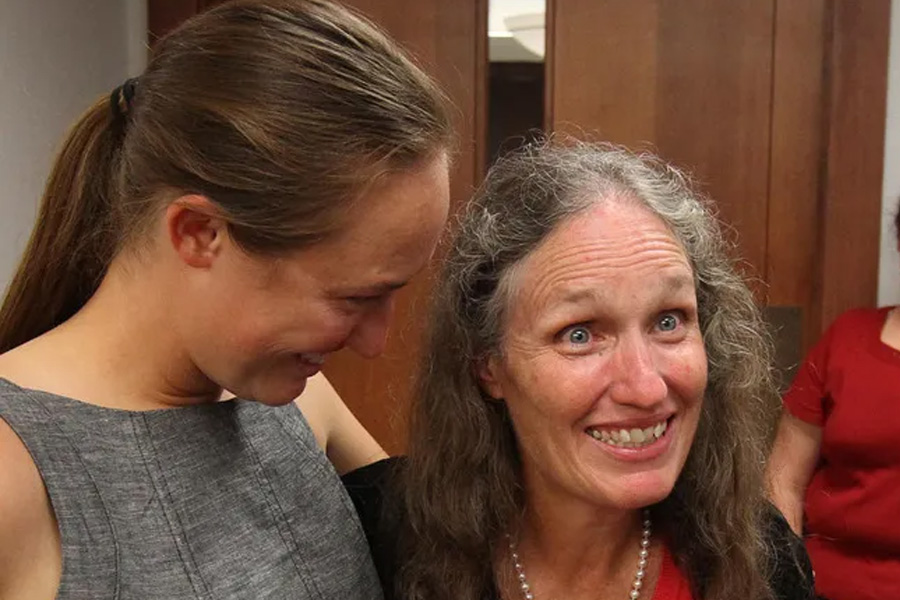
Legal Battles and First Amendment Fights
Shirley Phelps Roper’s public life cannot be separated from the courtroom. Several legal controversies shaped both her career and the church’s wider place in American law.
In 2007, she was detained in Bellevue, Nebraska, for protesting the American flag. Desecration charges were filed when she wore a flag so it could drag and her son could stand on another. The case changed drastically. After federal courts overturned Nebraska’s flag desecration legislation in 2010, the city dismissed the charges and gave her $17,000.
She fought funeral protest regulations in court. She won a 2010 Missouri federal court case challenging a wide funeral picketing restriction. That victory supported Westboro’s longstanding claim that the First Amendment protects even obscene speech.
The most famous legal battle followed. Snyder v. Phelps, determined March 2011, the U.S. Westboro’s funeral protests were free speech, the Supreme Court found 8–1. The First Amendment judgment was historic. The prosecution focused on the church, but Shirley’s involvement in protest culture was unmistakable. Westboro became a legal and social emblem after the judgment.
Family Background and Key Relatives
The Phelps family itself is almost a second institution inside this story. It is impossible for me to write about Shirley without tracing the people around her.
Below is a quick family overview:
| Family Member | Relationship to Shirley | Public Relevance |
|---|---|---|
| Fred Phelps Sr. | Father | Founder and longtime leader of Westboro Baptist Church |
| Margie Simms Phelps | Mother | Raised the family in Topeka |
| Nathan “Nate” Phelps | Brother | Left in 1976, later became an atheist and LGBT-rights advocate |
| Rebekah Phelps-Davis | Sister | Lawyer in the family firm |
| Margie Phelps | Sister | Active in the church and worked in Kansas state roles |
| Brent D. Roper | Husband | Married Shirley in 1983 |
| Megan Phelps-Roper | Daughter | Former church spokeswoman who left in 2012 |
| Grace Phelps-Roper | Daughter | Left the church alongside Megan in 2012 |
Her father was the architect of the church’s culture. Her mother appears more in the background, but she was part of the household that shaped all 13 children. Some siblings stayed loyal. Others walked away and later spoke publicly against the family system.
Nathan Phelps is perhaps the most striking example of that break. He left Westboro in 1976 and later became one of its outspoken critics. His path diverged sharply from Shirley’s, showing just how differently children from the same home could respond to the same authority.
Marriage, Husband, and Children
In 1983, Shirley married Brent D. Roper. Together they had 11 children, five sons and six daughters. That alone gives her personal story a different scale. Her life was not just public and political. It was also domestic, crowded, and deeply bound to a growing family.
For years, several of her children were part of the church world. The most publicly visible was Megan Phelps-Roper, born in 1986, who became a prominent spokeswoman and active presence online. Grace Phelps-Roper, another daughter, also grew up within Westboro’s orbit.
A huge rupture followed. Grace and Megan left Westboro in 2012. Their departure exposed flaws in a movement that had long appeared unshakeable, attracting attention. Later reports said five of Shirley’s children left the church. Such family division is not trivial. Fault line.
When I think about Shirley’s family life, I see a house that must have felt like both fortress and pressure cooker. Loyalty was central. So was obedience. But over time, several children chose distance over submission.
Internal Changes After 2013
By 2013, the internal structure of Westboro began to shift. Fred Phelps Sr. was reportedly excommunicated by church elders in August 2013 and soon stopped speaking publicly. He died on March 19, 2014.
Those events mattered deeply for Shirley. For many years, she had been seen as one of the most powerful members of the church and even as a likely heir to her father’s influence. But after 2013, her visibility dropped. Leadership dynamics changed, and she moved into a less prominent role.
The transition resembles a torch dimming rather than going out. She remained linked with the church, but her age of headlines was over. The church’s public image shifted from vigorous resistance to films, memoirs, and former members’ stories as membership fell and family left.
Public Image in Recent Years
Shirley Phelps Roper has faded from public spotlight in recent years. Her social media presence is low, and she seldom makes headlines. Estranged family members, notably Megan Phelps-Roper, regularly mention her.
This shift fascinates me. For so long, Shirley was the loudspeaker. Now she is more often a figure in the background, seen through the rearview mirror of others’ narratives. Her earlier prominence has not vanished, but it has hardened into history.
That does not mean her role was minor. Quite the opposite. During the peak years of Westboro’s public influence, she helped define its tone, strategy, and legal posture. If Fred Phelps Sr. built the pulpit, Shirley often stood at the microphone.
Timeline of Major Events
Here is a compact timeline that helps map the major points in her life:
| Year | Event |
|---|---|
| 1957 | Born in Topeka, Kansas on October 31 |
| 1979 | Earned B.A. in Criminal Justice |
| 1981 | Earned J.D. from Washburn Law School |
| 1983 | Married Brent D. Roper |
| 1991 | Westboro expands regular picketing activity |
| 1998 | Participates in Matthew Shepard funeral protests |
| 2005 | Active in military funeral protests |
| 2006 | Fox News appearance sparks national outrage |
| 2007 | Arrested in Bellevue, Nebraska over flag protest |
| 2009 | Barred from entering the United Kingdom |
| 2010 | Wins challenge to Missouri funeral protest restrictions |
| 2011 | Snyder v. Phelps decided by U.S. Supreme Court |
| 2012 | Daughters Megan and Grace leave Westboro |
| 2013 | Church leadership turmoil reduces her prominence |
| 2014 | Fred Phelps Sr. dies |
| 2019 to 2023 | Appears only rarely in public discussion |
FAQ
Who is Shirley Phelps Roper?
Shirley Phelps Roper is an American lawyer and political activist best known for her longtime leadership role in Westboro Baptist Church. She became one of the group’s most visible spokeswomen during the 1990s and 2000s and was closely involved in its protests and legal disputes.
She is the daughter of Fred Phelps Sr., the founder and longtime leader of Westboro Baptist Church in Topeka, Kansas. Her public role grew directly out of that family and church structure.
What is Shirley Phelps Roper’s educational background?
She earned a B.A. in Criminal Justice from Washburn University in 1979 and a J.D. from Washburn Law School in 1981. She later practiced law through the Phelps family firm.
Who is Shirley Phelps Roper’s husband?
Her husband is Brent D. Roper, whom she married in 1983. Together they had 11 children.
How many children does Shirley Phelps Roper have?
She has 11 children, including Megan Phelps-Roper and Grace Phelps-Roper, both of whom later left Westboro Baptist Church.
Which family members are most publicly known?
Among the most publicly known relatives are her father Fred Phelps Sr., her brother Nathan Phelps, her sister Rebekah Phelps-Davis, her daughter Megan Phelps-Roper, and her daughter Grace Phelps-Roper. Each became notable for either defending or leaving the Westboro world.
Why did Shirley Phelps Roper become so controversial?
As Westboro Baptist Church’s chief spokesman, she defended its most contentious protests and pronouncements, making her controversial. Her media appearances, funeral pickets, and combative attitude made her one of the most reviled religious officials.
Was Shirley Phelps Roper involved in major court cases?
Yes. She was involved in multiple legal disputes tied to protest rights, funeral picketing, and flag desecration laws. Her name is especially associated with First Amendment battles surrounding Westboro’s activities, including the era of Snyder v. Phelps.
What happened to her public role after Fred Phelps Sr. died?
After internal turmoil in 2013 and her father’s death in 2014, her public prominence declined. She remained associated with Westboro Baptist Church, but she no longer occupied the same central media role she once had.
Is Shirley Phelps Roper still active in public life?
She appears to have a much lower public profile today. In recent years, discussion about the Phelps family has focused more on former members and the long shadow of Westboro than on Shirley’s own current activities.